September 17, 2026
A View, a Good Meal – and a sense of responsibility
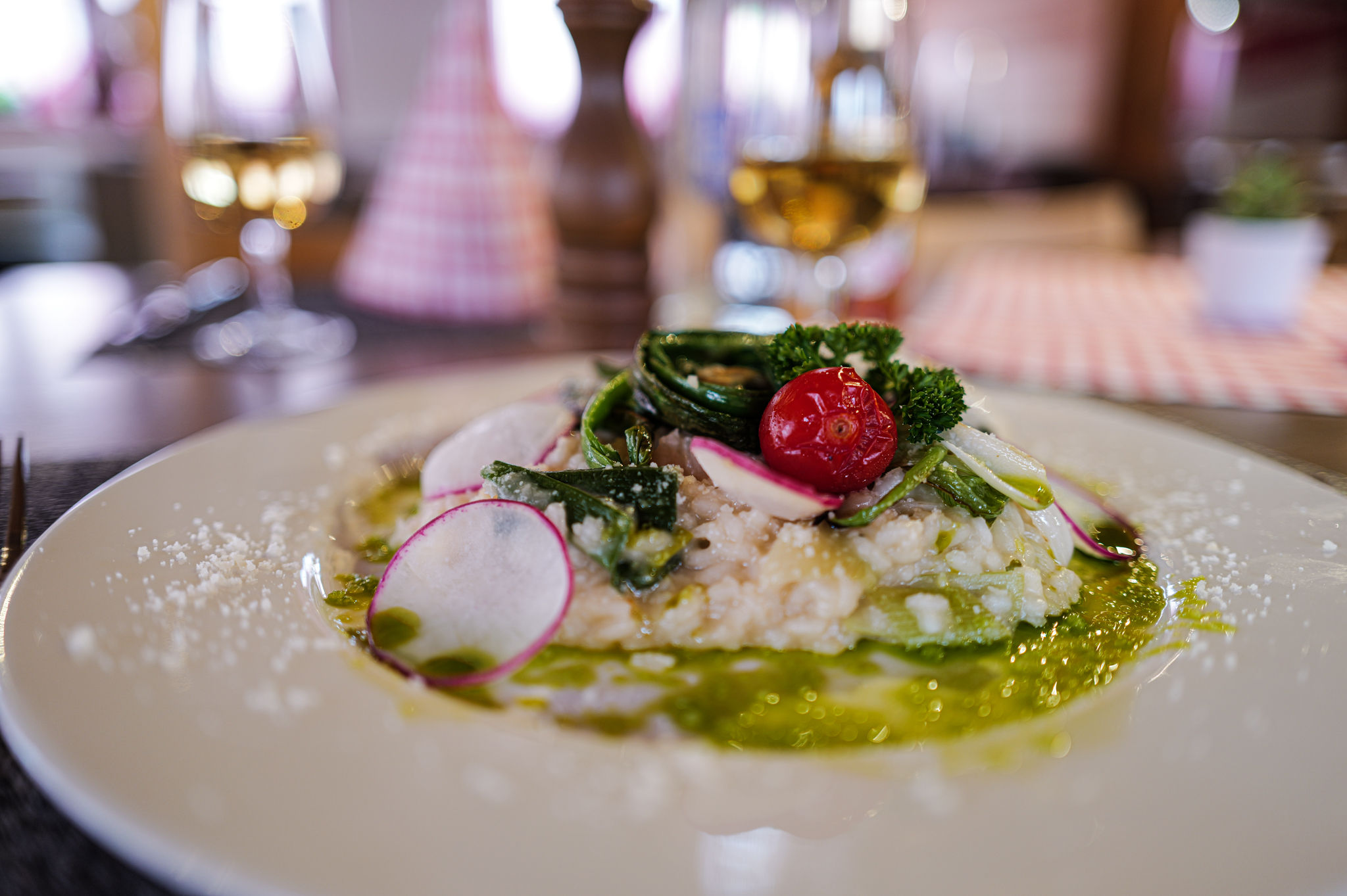
Few people sitting on a mountain restaurant terrace on a sunny ski day spend much time thinking about carbon footprints. Amid the buzz of skiers’ voices and the view over snow-covered peaks, the meal itself takes centre stage. Yet attitudes are starting to shift. With its “Klimalieblinge” (climate favourites) range, the Andermatt+Sedrun+Disentis ski area is putting more climate-friendly dishes on the menu. They were developed by Food & Beverage Manager Claudius Senf and his team. The dishes prove that sustainable eating works at 2,000 metres – and, above all, that it tastes good.
The idea behind them is simple: dishes that do without meat or deliberately use plant-based ingredients come with a much smaller carbon footprint. At the same time, they have to be every bit as tempting as the classic mountain-hut favourites. “Many Alpine dishes are already traditionally meat-free. But what we see in the numbers is that the classics – chicken nuggets, bratwurst, schnitzel – are still what visitors reach for most.”
From idea to plate
A “Klimaliebling” doesn’t come out of a planning document. It comes out of the kitchen. Alongside questions such as “What suits the region?”, the key consideration was to make the dishes work during busy times. Claudius Senf and his team have deliberately based their creations on Alpine roots. “Our approach was to develop the classics in a contemporary way instead of completely reinventing them. One example of this is the Uri Ryys and Poor with a modern twist. Seasonality ties the whole thing together, with pumpkin in winter and radishes in summer.”
Between tradition and change
The biggest challenge lies not in the preparation, but in the expectations of visitors. Especially in ski resorts, many people like to enjoy savoury, traditional dishes. “We don’t want to dictate to our visitors or give them a guilty conscience, but rather offer an additional attractive choice with the “Klimalieblinge” range. The dishes stand for enjoyment, quality and regionality. Sustainability is an additional bonus,” says Claudius Senf.
To nudge guests in this direction, the ski area has added fun incentives. Order a “Klimaliebling” and you collect digital stamps – and get rewarded for it. It’s an easy way in to trying something new. “We are seeing a steady increase in demand,” says Claudius Senf. “Both the dishes and the stamp card are catching on.”
Small decision, big impact
What might look like a minor tweak to the menu has wider implications than initially appear. In a ski resort with thousands of visitors per day, the effects add up. Every time someone picks a plant-based dish, the CO₂ footprint shrinks – without enjoyment having to be sacrificed.
For Claudius Senf, the takeaway is clear: gastronomy has a real part to play in sustainable tourism. “With the ‘Klimalieblinge’ we’re giving our guests something that’s well priced and lets them make a conscious choice without compromising on the food. In the long term, we can see sustainability becoming a mark of quality in its own right.”
So the “Klimalieblinge” are more than just a dish on the menu. They stand for a more conscious use of resources, for new culinary ideas and for the conviction that change often begins where you least expect it: on a plate, in the middle of a ski area.